Maputo argues with the light piece 4 of 4
Marrabenta on a Sunday
The guitar music that came out of Maputo's suburbs in the mid-twentieth century, and stayed there.
- marrabenta
- fast, percussive Mozambican guitar music from the suburbs of Maputo; name likely from Portuguese rebentar, to break or burst
- caniço
- reed-built outer suburbs of colonial Lourenço Marques, now Maputo; the music's place of origin
- bairro (pl. bairros)
- neighbourhood; the suburban districts where marrabenta is still played
- Ronga
- a Bantu language spoken in the Maputo region, one of marrabenta's lyric languages
A City Sound, Still Playing
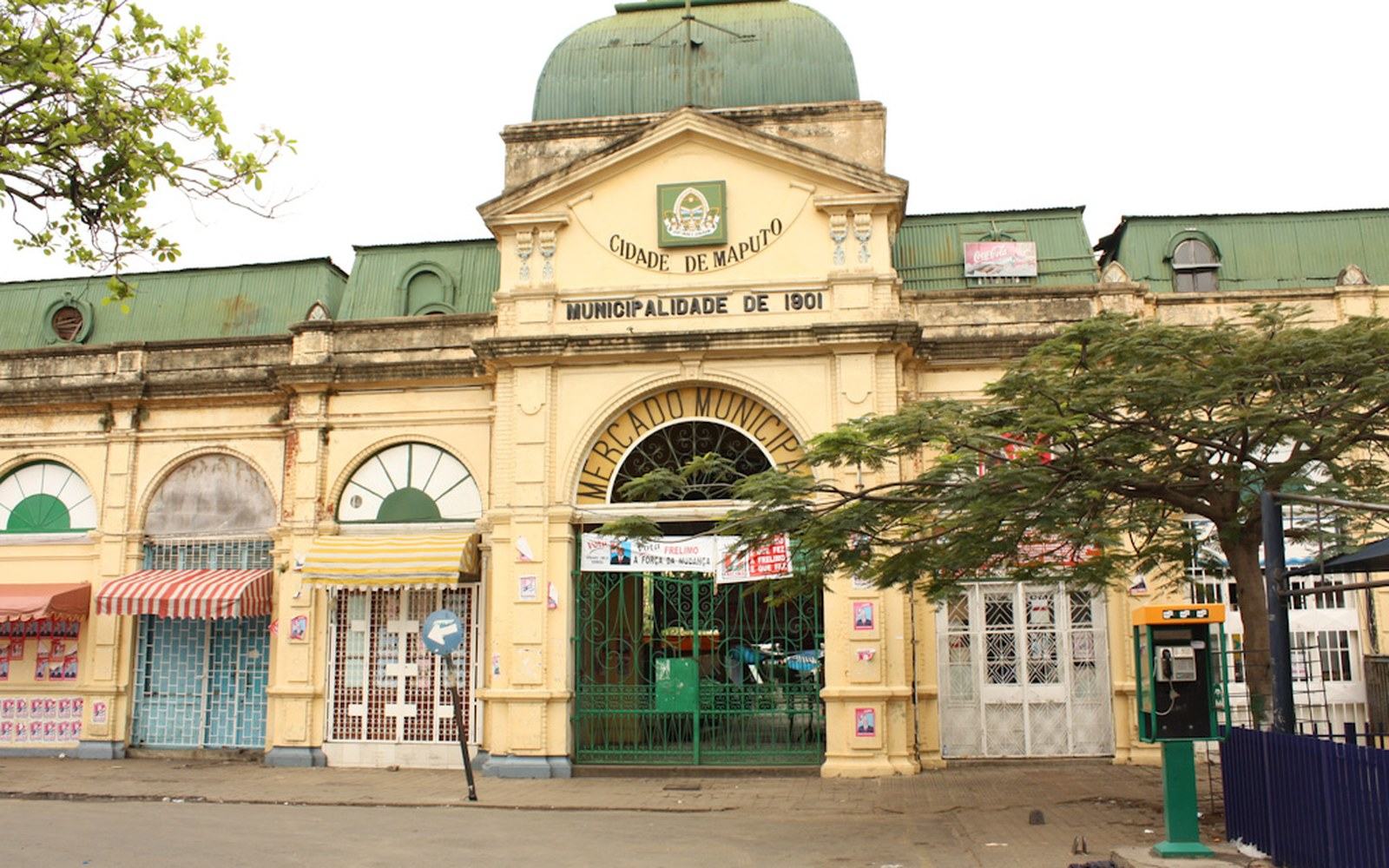
Marrabenta emerged from the caniço (reed-built outer suburbs) of Lourenço Marques — the colonial name for what is now Maputo — sometime in the 1930s and 1940s. The name is said to derive from the Portuguese rebentar, to burst or break, which is plausible given the music's propulsive, light-footed energy. It is guitar music played at speed, layered with percussion, and built on a call-and-response pattern that sets a lead voice against a close, answering chorus.
The canonical name attached to marrabenta's spread is Dilon Djindji, a guitarist and bandleader who helped shape what the sound became in the 1950s and 1960s: something danceable, informal, and distinctly of the city's working-class south. Marrabenta is documented by the Smithsonian Folkways catalogue, which holds recordings that give a clearer account of the form than any written description can.
The Orchestra Marrabenta Star de Moçambique, formed in 1979 shortly after independence, codified the style for a new national audience and recorded extensively. Their catalogue remains the most accessible entry point into the tradition. The style absorbed light influences from Mozambican neighbours — some shimmer of South African guitar, a little Malagasy lift — without losing its specific Maputo character: quick tempos, a dancing bass line, lyrics in Ronga and Portuguese.
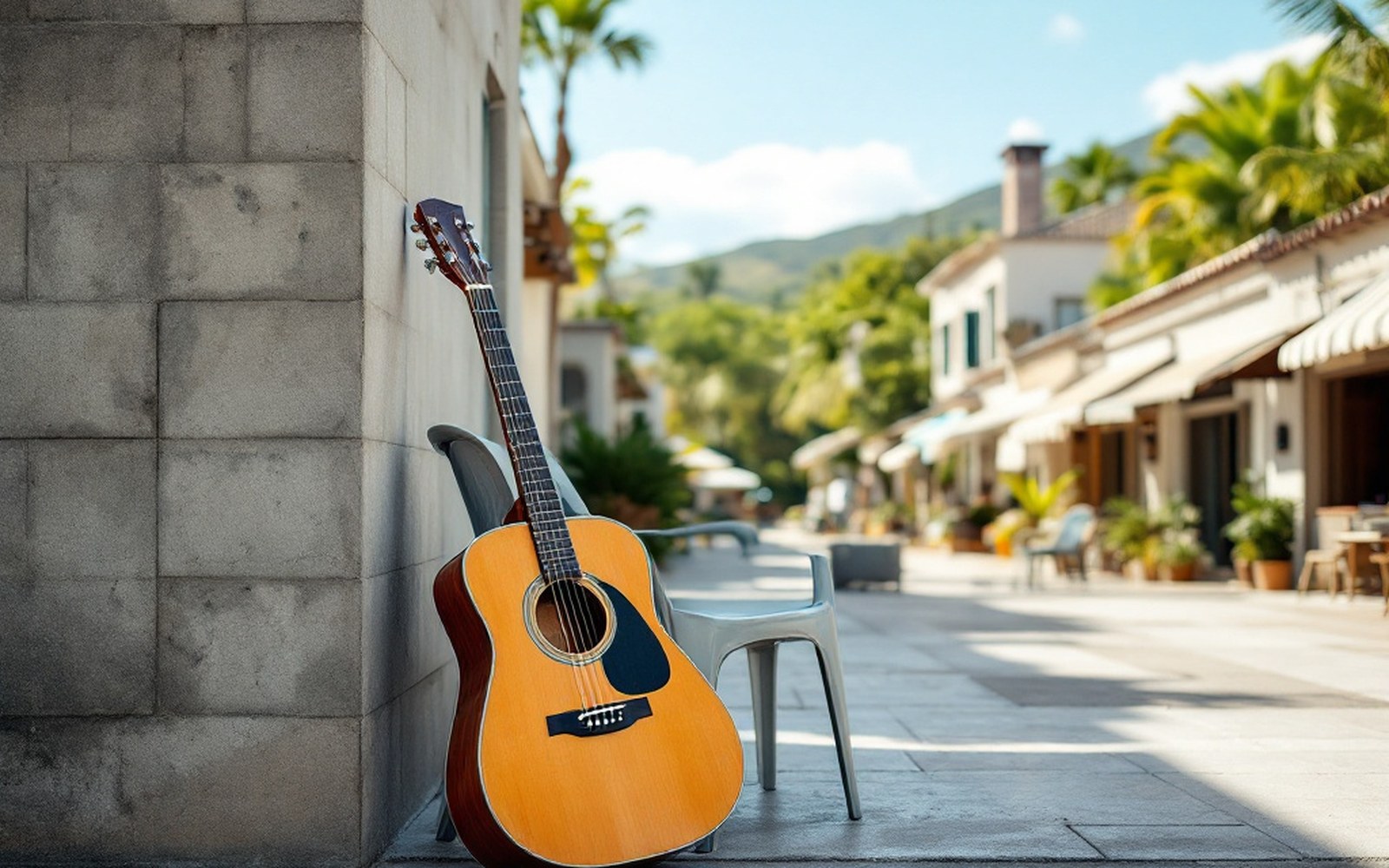
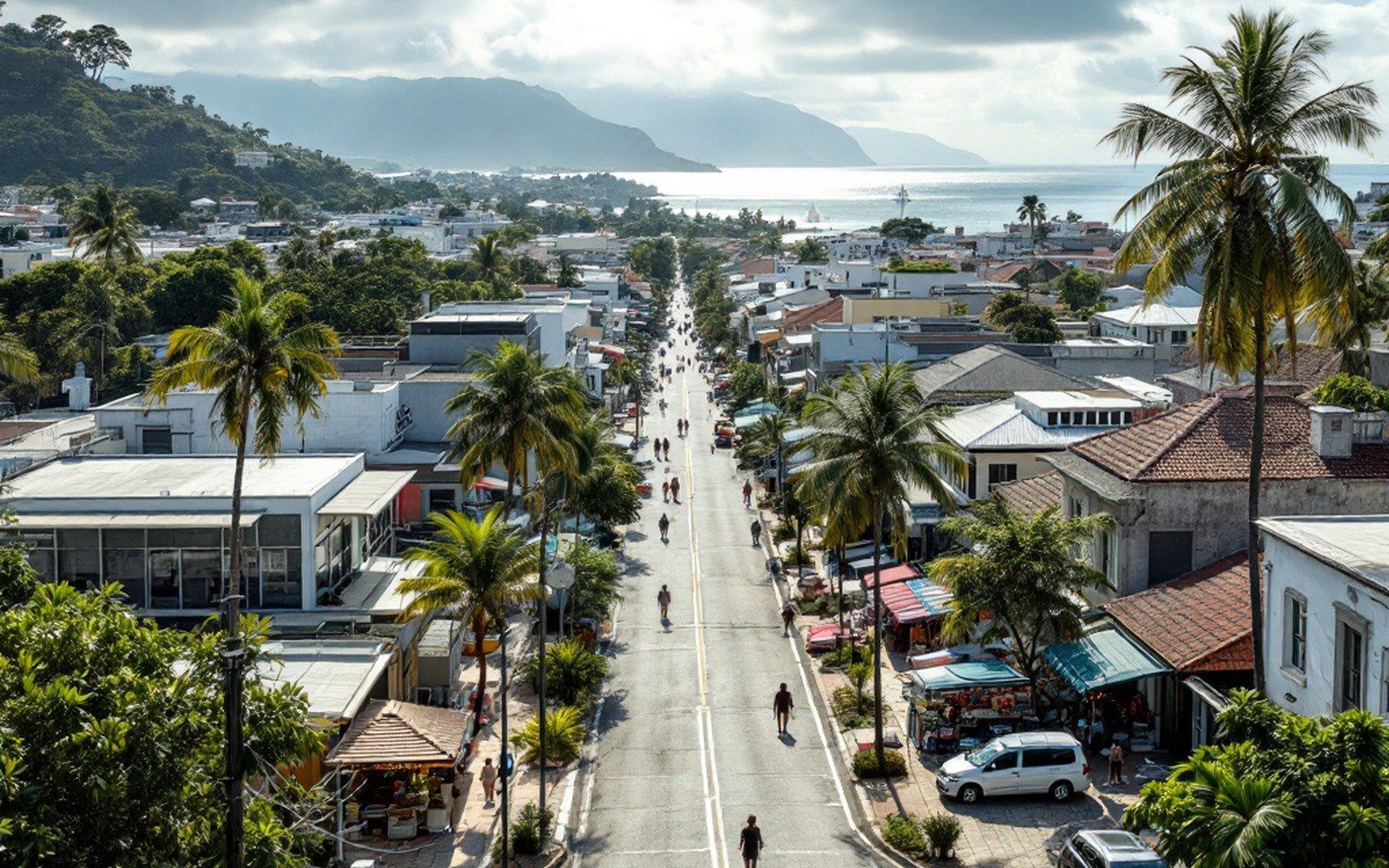
On Sundays the music is still audible in the bairros (neighbourhoods) south and west of the city centre, where it began. It is not performed for visitors; it is performed because it is Sunday and the guitar is there. That ordinariness is the point. Marrabenta never moved fully into concert halls or onto festival stages in the way that national music sometimes does, losing its occasion in the process. It kept its weekend, its neighbourhood, its function as the sound that marks an afternoon off. The Arquivo do Património Cultural in Maputo holds documentation relevant to Mozambican musical traditions, including this one.
Their catalogue remains the most accessible entry point into the tradition.
Key names and institutions
- Dilon Djindji
- guitarist and bandleader central to marrabenta's development in the 1950s–60s
- Orchestra Marrabenta Star de Moçambique
- formed 1979; the tradition's most recorded ensemble
- Arquivo do Património Cultural (ARQPAC)
- Maputo-based archive holding documentation on Mozambican cultural heritage
It kept its weekend, its neighbourhood, its function as the sound that marks an afternoon off.